-
-
-
Range Road, Rawalpindi
Welcome to Al Meer Sourcing & Cargo Company
Please fill out the form below and we will get back to you as soon as possible.

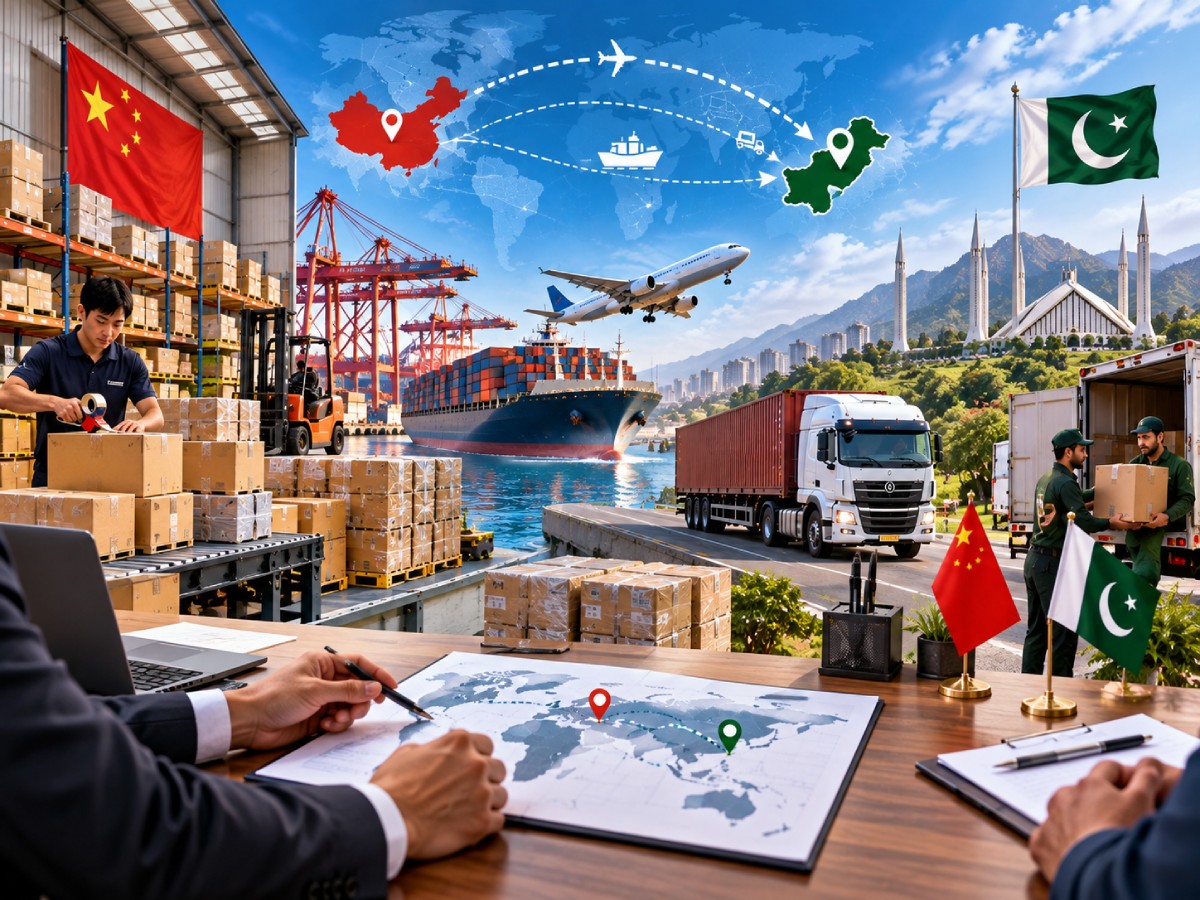
Al Meer Sourcing & Cargo Company connects international suppliers with customers and businesses in Pakistan. We support product sourcing, supplier coordination, cargo consolidation, freight selection, import documentation, customs clearance and delivery planning based on your shipment requirements.
08
Aug
The supply chain has been one of the most talked-about topics since mid-2021. The future of shipping and logistics remains very bright because efficient logistics is a global need. There are few indications that supply chain challenges will disappear in the near future. If businesses cannot overcome logistics challenges, the entire supply chain system can become vulnerable.
Merchants have changed the way they produce, ship, and deliver products. Consumers understand many of these challenges, but they still expect fast, reliable, affordable, and timely delivery.
Businesses that do not meet customer requirements risk being left behind. As a result, brands are increasingly working to digitalize their supply chains, improve transparency, increase efficiency, and create more sustainable operations. Therefore, addressing the challenges facing the shipping and logistics industry requires new strategies, technologies, and better supply chain management.
The first step is to digitalize the supply chain to improve visibility and transparency.
Businesses can use data and technology to build an effective inventory management system. This can help protect a company from supply disruptions, stock shortages, unnecessary costs, and operational delays.
In 2026, technology continues to play an important role in modern logistics. Businesses are increasingly using advanced solutions such as Artificial Intelligence (AI), Machine Learning, Internet of Things (IoT), cloud-based platforms, automation, GPS tracking, and real-time shipment management systems.
These technologies can help businesses:
The digitalization of the supply chain provides businesses with a wide range of options. More advanced technologies, including AI-powered forecasting, IoT-connected devices, and automated logistics systems, are becoming increasingly important for companies that want to remain competitive.
Deep analysis of your shipping and inventory management data can help identify supply chain vulnerabilities.
Data allows businesses to better understand sales patterns, inventory requirements, backup suppliers, transportation routes, and customer locations. It can also provide valuable information about the delivery process and help businesses identify where delays and additional costs are occurring.
Businesses can use this information to distribute inventory closer to their customers' locations and improve delivery times and transportation costs.
For example, analyzing historical sales data can help a company determine which products are most in demand in specific locations. This allows businesses to position inventory strategically and reduce the distance products need to travel.
In 2026, data-driven decision-making is becoming increasingly important because businesses need greater visibility across their international supply chains.
In the past, 3PL (third-party logistics) providers were primarily used by large enterprise-size companies. Today, 3PL services play an important role for businesses of almost every size.
Outsourcing logistics can allow businesses to focus on their core operations while experienced logistics providers manage transportation, freight forwarding, warehousing, customs coordination, and other supply chain activities.
The global 3PL industry continues to expand as businesses look for flexible and cost-effective ways to manage increasingly complex supply chains.
For small and medium-sized businesses, working with a professional logistics provider can provide access to shipping networks, transportation expertise, international freight services, and supply chain knowledge without requiring the company to build its own logistics infrastructure.
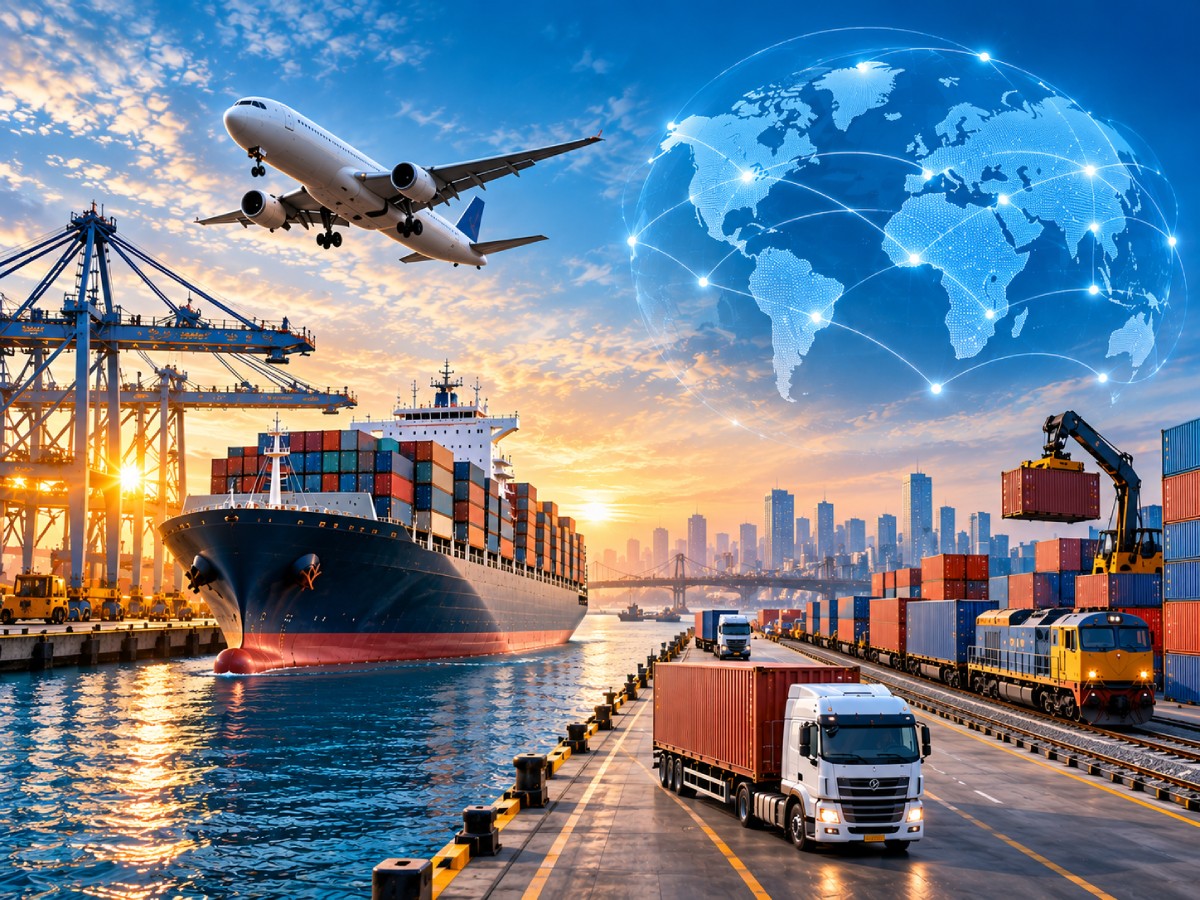
International trade continues to depend heavily on reliable shipping and logistics services. Businesses sourcing products internationally need efficient transportation solutions to move goods from suppliers to warehouses, distribution centers, and customers.
International shipping can involve multiple stages, including:
Managing these processes effectively can reduce delays, unexpected costs, and supply chain disruptions.
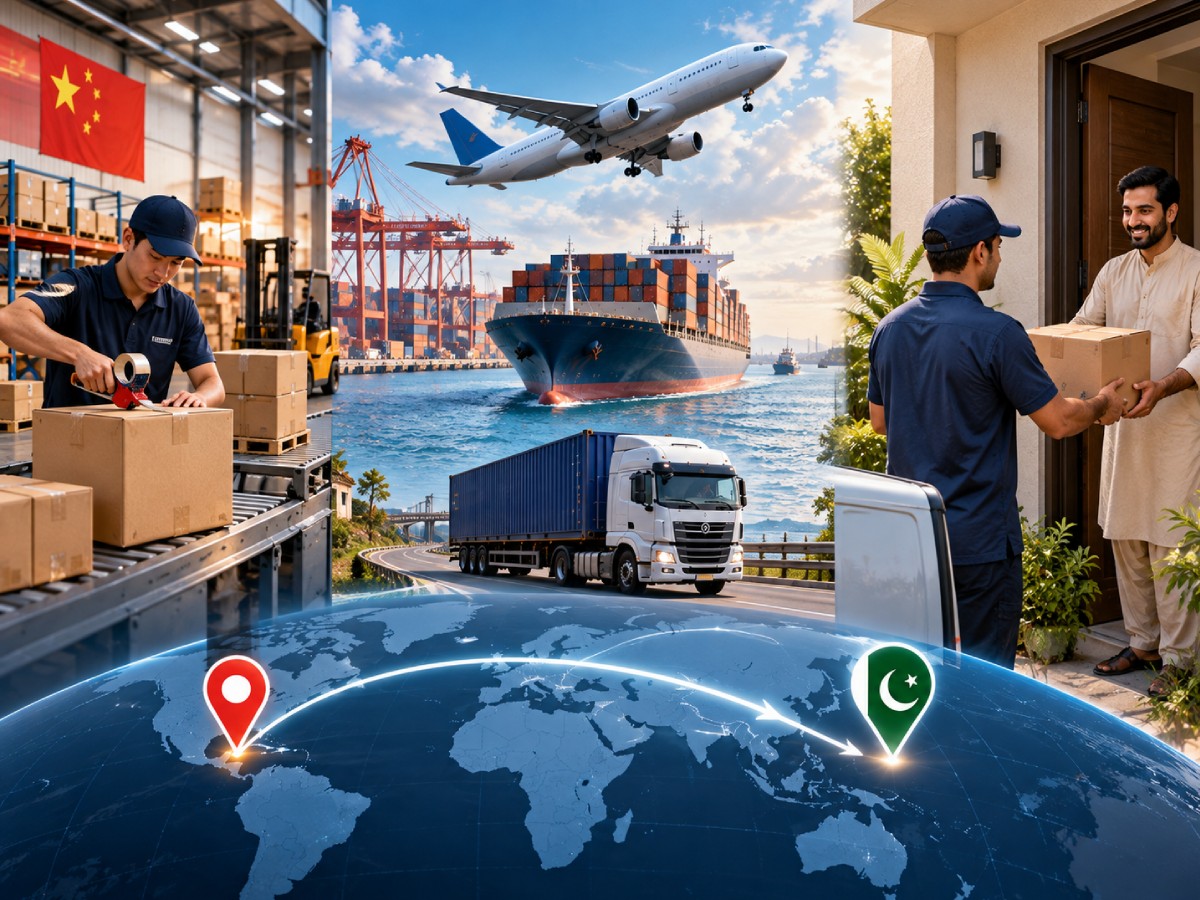
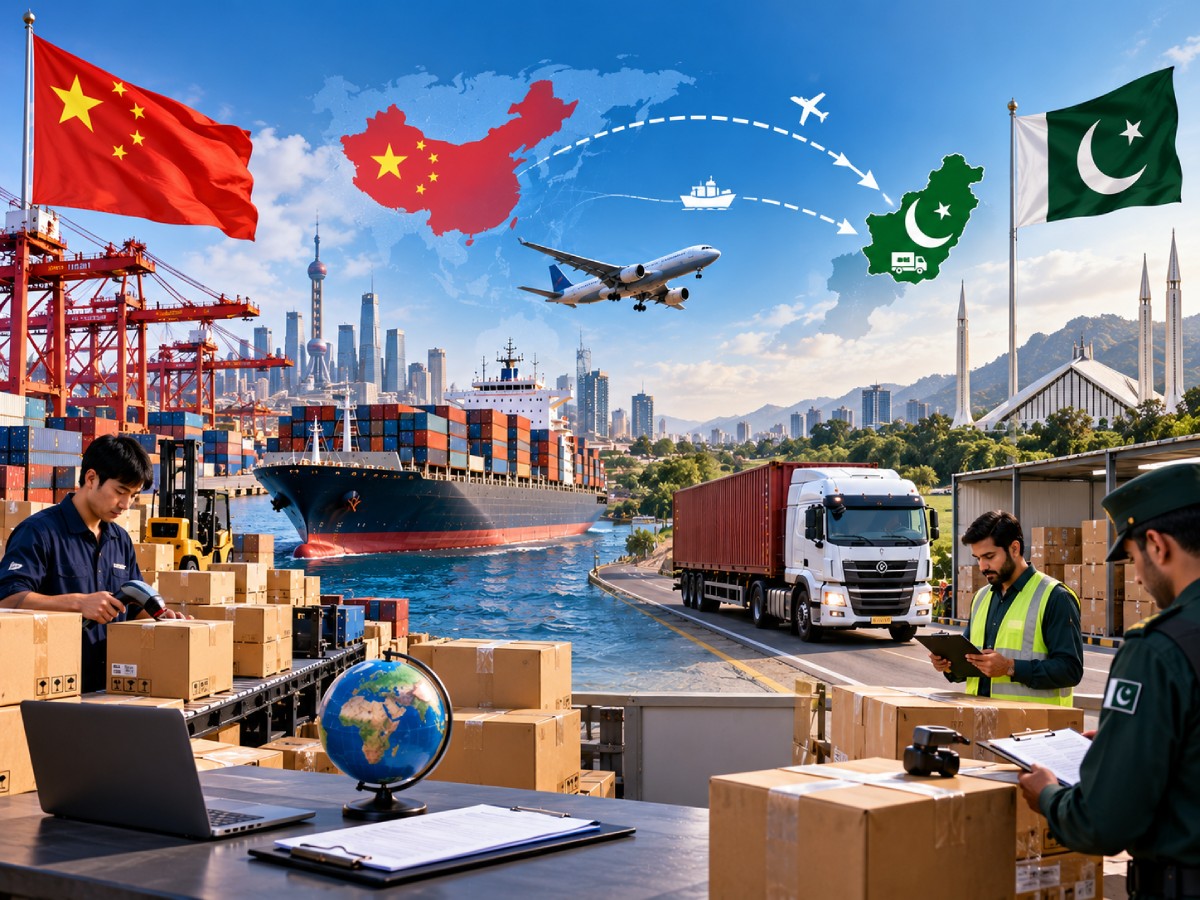
For businesses importing products from countries such as China, Pakistan, the United States, and other major trading markets, selecting an experienced sourcing and cargo partner can make international logistics significantly easier.
Sea freight remains one of the most important transportation methods for international trade, particularly for large and heavy shipments.
Businesses commonly use ocean freight for:
Sea freight can provide a cost-effective solution when businesses are shipping larger quantities of goods internationally.
However, transit times, port congestion, customs requirements, documentation, and international trade conditions should be considered when planning an ocean shipment.
Air freight is an important option for businesses that need faster international transportation.
Compared with sea transportation, air freight generally provides shorter transit times and can be particularly useful for:
Although air freight can cost more than ocean transportation, the faster delivery time can make it worthwhile for businesses where speed is critical.
Road freight plays an important role in domestic and regional supply chains.
After goods arrive at a port or airport, road transportation is often required to move shipments to warehouses, distribution centers, stores, or final customers.
Reliable road transport can help businesses maintain efficient last-mile and inland delivery operations.
Combining sea freight, air freight, and road transportation can create an integrated logistics solution that meets different shipping requirements.
One of the most important trends in the future of logistics is greater supply chain visibility.
Businesses want to know where their products are, when shipments will arrive, and whether potential problems could affect delivery schedules.
Modern tracking technologies allow companies to receive updates throughout the transportation process. Improved visibility can help businesses make faster decisions and communicate more effectively with customers and suppliers.
For example, if a shipment is delayed at a port, businesses can identify the problem earlier and adjust inventory, transportation, or customer delivery plans accordingly.
Sustainability is also becoming increasingly important in the shipping and logistics industry.
Businesses are looking for ways to reduce unnecessary transportation, optimize delivery routes, improve warehouse efficiency, and reduce packaging waste.
Technology can support these goals by helping companies:
Sustainable logistics is not only an environmental consideration. Efficient logistics can also reduce operating costs and improve long-term business performance.
Artificial Intelligence is expected to remain one of the major technologies shaping logistics in 2026 and beyond.
AI can help businesses analyze large amounts of supply chain data and identify patterns that may be difficult to detect manually.
Potential applications include:
Automation can also reduce repetitive manual tasks and allow logistics teams to focus on more important operational decisions.
The future of shipping and logistics is closely connected to technology, data, automation, sustainability, and global trade.
Businesses will continue looking for faster, more transparent, flexible, and cost-effective ways to move products around the world.
Companies that invest in supply chain visibility, modern logistics technology, reliable transportation networks, and experienced logistics partners can be better prepared to handle future challenges.
The shipping and logistics industry will continue to evolve as businesses and consumers demand greater speed, reliability, transparency, and convenience.
Almeer Sourcing & Cargo Company provides professional sourcing and cargo solutions designed to help businesses manage their international shipping requirements.
Whether you are importing products, exporting commercial goods, or looking for reliable freight transportation, having an experienced logistics partner can simplify the shipping process.
Almeer Sourcing & Cargo Company can assist businesses with sourcing, freight coordination, and international shipping solutions, including sea freight, air freight, and road transportation.
Our goal is to help businesses move their goods efficiently while providing reliable communication and professional logistics support throughout the shipping process.
If you are planning your next international shipment or looking for a reliable sourcing and cargo partner, Almeer Sourcing & Cargo Company can help you find a logistics solution that fits your business requirements.
The future of shipping and logistics in 2026 is driven by digitalization, data, AI, automation, sustainability, and improved supply chain visibility.
The challenges that began receiving significant attention during the global supply chain disruptions of the early 2020s have demonstrated how important resilient logistics networks are for businesses.
Companies that adapt to changing technology, improve supply chain visibility, use data effectively, and work with reliable logistics partners will be better positioned for long-term growth.
From sea freight and air freight to road transportation and sourcing services, modern logistics providers can help businesses navigate an increasingly complex global supply chain.
Almeer Sourcing & Cargo Company is committed to supporting businesses with professional sourcing and cargo solutions for their international shipping needs.
Theresa Webb
02 June 2024 at 03:30 pmDocumentation only proves a company exists. It does not prove the goods are right. Before the balance payment is released, someone independent should physically see the cargo: count the cartons, open a sample of them, measure the product against your specification, photograph labels and shipping marks, and confirm the packing will survive four to six weeks at sea. A shortage or a wrong colourway found in the supplier's warehouse is a conversation. The same problem found in Karachi is a loss you will absorb.
Cameron Williamson
02 June 2024 at 03:30 pmDocumentation only proves a company exists. It does not prove the goods are right. Before the balance payment is released, someone independent should physically see the cargo: count the cartons, open a sample of them, measure the product against your specification, photograph labels and shipping marks, and confirm the packing will survive four to six weeks at sea. A shortage or a wrong colourway found in the supplier's warehouse is a conversation. The same problem found in Karachi is a loss you will absorb.